(Part of our Financial Wellness Series: From Stability to Strength)
Using Credit Strategically (Beyond Just Repair)
A guide to turning credit into a tool for opportunity — not just recovery
(Part of our Financial Wellness Series: From Stability to Strength)
Moving From Fixing Credit to Using It
For many people, credit is something they’ve had to repair, rebuild, or work hard to improve. And if you’ve been following along in this series, you’ve already taken important steps toward understanding and strengthening your credit.
But what comes next?
At this stage, the goal shifts. You’re no longer just fixing your finances—you’re now using them strategically.
Credit isn’t just something to manage. When used thoughtfully, it becomes a tool that can help you create opportunities, reduce costs, and move closer to your long-term goals.
And as always, there’s no one-size-fits-all approach. Your financial decisions should reflect your story, your priorities, and your pace. The Tamaqua Financial Opportunity Center® is here to coach and support you along the way—not to lecture or prescribe.
What Does It Mean to Use Credit Strategically?
Using credit strategically means making intentional choices about how and when you use credit so it works for you—not against you.
It’s not about borrowing more. It’s about borrowing wisely.
Examples of strategic credit use include:
• Using a credit card to build a positive payment history
• Keeping balances low to improve your credit score
• Taking advantage of lower interest rates when available
• Using credit to access opportunities (like housing or transportation)
Even if you have no credit, there are ways to help you get a credit score and start making it work for you, not against you.
💡 The key idea: Credit should support your goals—not create obstacles.
Why Credit Still Matters (Even After Improvement)
Even if your credit has improved, it continues to play an important role in your financial life.
Your credit can affect:
• Loan approvals (auto, home, personal loans)
• Interest rates (which impact how much you pay over-time)
• Rental applications
• Employment opportunities in some fields
📌 Strong credit doesn’t just open doors—it can make those opportunities more affordable.
The Cost of Credit: Understanding Interest
One of the most important parts of using credit strategically is understanding the true cost of borrowing.
Interest is what you pay to borrow money—and it can add up quickly.
For example:
• Carrying a balance on a high-interest credit card can cost significantly over time
• Paying off balances in full avoids interest altogether
💡 Strategic use means minimizing interest whenever possible.
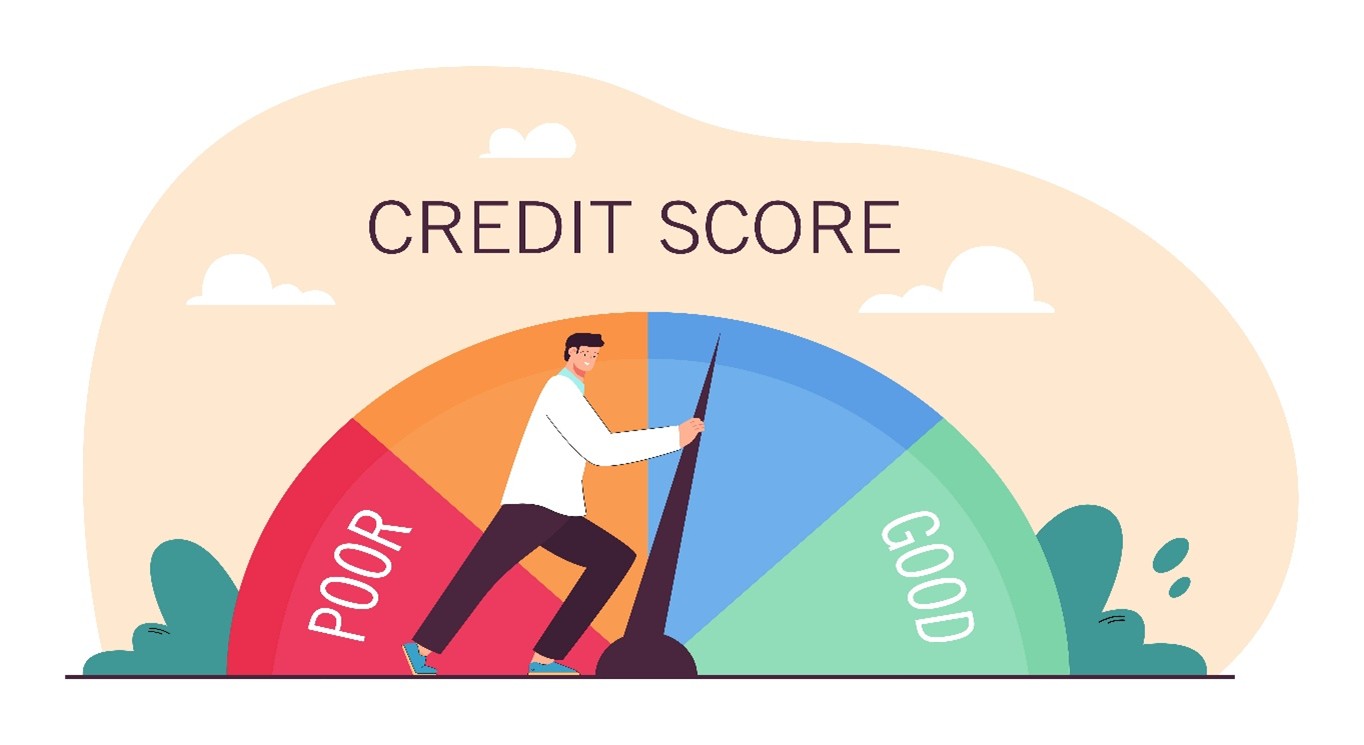
Credit Utilization: A Small Detail That Makes a Big Impact
Credit utilization refers to how much of your available credit you’re using.
For example:
• If your limit is $1,000 and you carry a $300 balance, your utilization is 30%
Lower utilization is generally better for your credit score.
📌 A common guideline: Try to keep utilization below 30%—and even lower if possible. Our tip here is pay down credit card balances as much as possible. 30% is the goal, but if you can keep it below 10%, your credit will work for you, not against you.
This is one of the simplest ways to strengthen your credit while actively using it
When Credit Can Be Helpful
Used thoughtfully, credit can support financial progress.
Examples include:
• Covering a short-term expense when cash flow is tight
• Building credit history through consistent, on-time payments
• Financing a necessary purchase when planned carefully
• Taking advantage of rewards or protections offered by some cards
💡 The difference is intention—using credit as part of a plan, not a reaction.
When to Pause and Reconsider
Strategic use also means knowing when not to use credit.
It may be worth pausing if:
• You’re relying on credit for everyday expenses long-term
• You’re unsure how you’ll repay the balance
• You’re feeling pressure to spend beyond your means
• You’re reacting emotionally rather than planning ahead
📌 Credit should create stability—not stress.
A Simple Strategy to Follow
If you’re ready to move from repairing credit to using it strategically:
- Continue making all payments on time
- Keep balances low and manageable
- Pay off credit cards in full whenever possible
- Only use credit for planned or necessary expenses
- Check your credit regularly and track your progress
💬 Final Thoughts: You’re in Control of the Tool
Credit is not the goal—it’s a tool.
And like any tool, its impact depends on how it’s used.
As you continue moving from stability to strength, this is your opportunity to use credit in a way that supports your life—not defines it.
You don’t need to use every option available to you. You don’t need to rush decisions. And you don’t need to follow anyone else’s path.
Your financial journey is personal—and your strategy should be too. No one knows your story as well as you, reflecting on your experience is a key to moving forward.
If you ever feel unsure, that’s okay. Financial confidence is built over time, and support is always available. The Tamaqua Financial Opportunity Center® is here to walk alongside you as you continue building a stronger financial future.
Next time, we’ll explore:
“Taxes 101 for Working Families & Side Hustlers” — understanding how taxes work and how to keep more of what you earn.