(Part of our Financial Wellness Series: From Stability to Strength)
Saving vs. Investing: What Comes First — and Why It Matters
Subtitle: How to use your tax refund (or extra income) wisely to build stability and long-term growth.
(Part of our Financial Wellness Series: From Stability to Strength)
The Big Question: Should You Save or Invest First?
If you’ve received (or are expecting) a tax refund, bonus, or lump sum of money, you might be wondering:
- Should I save it?
- Should I invest it?
- Should I pay off debt?
- Should I catch up on bills?
The answer isn’t one-size-fits-all — it depends on your financial foundation. Everyone’s situation is different and only you can determine what the best choice is for you.
Let’s break it down clearly and simply.
Step 1: Build Stability Before Growth
Before investing, most people should focus on financial stability.
That means:
✔ Catching up on past-due bills
✔ Paying down high-interest debt
✔ Building a starter emergency fund
If you’re behind on bills or carrying high-interest credit card balances, those should usually come first. Why?
Because:
- Late fees and interest erase future gains.
- Investing while paying 20–30% credit card interest rarely makes sense. If your investments only earn 5-7% growth each month its easy to see that until those high-interest bills are gone you’re not actually earning any money from your investments.
- Financial stress makes long-term investing harder to sustain.
💡 Tax Refund Tip:
If you’re behind, using part of your refund to get current can dramatically reduce stress and improve credit health.
Stability creates breathing room.
Step 2: Start With Emergency Savings
Before investing, aim for:
- $500–$1,000 starter emergency fund
- Eventually 3–6 months of essential expenses
Emergency savings protect you from:
- Unexpected car repairs
- Medical bills
- Job disruptions
- Returning to credit cards in a crisis
Investing without an emergency fund often leads to withdrawing investments early — which can cost you in taxes, penalties, or lost growth.
Your refund can be a powerful jumpstart:
- $1,200 refund → $1,000 to emergency savings + $200 toward debt
- Or split 50/30/20 between savings, debt, and a small personal reward
Step 3: When Investing Makes Sense
Once you:
- Are current on essential bills
- Have high-interest debt under control
- Have a starter emergency fund
Then investing becomes a smart next move.
Investing allows your money to grow over time through:
- Employer retirement plans (401k, 403b) If your employer has a matching plan in place, take advantage of it.
- IRAs (Traditional or Roth)
- Brokerage accounts
- Long-term diversified investments
Investing is about long-term growth — not quick returns.
Saving vs. Investing: What’s the Difference?
| Saving | Investing |
| Low risk | Higher risk |
| Easy access | Meant for long-term |
| Lower growth | Potential for higher growth |
| Emergency funds | Retirement & wealth building |
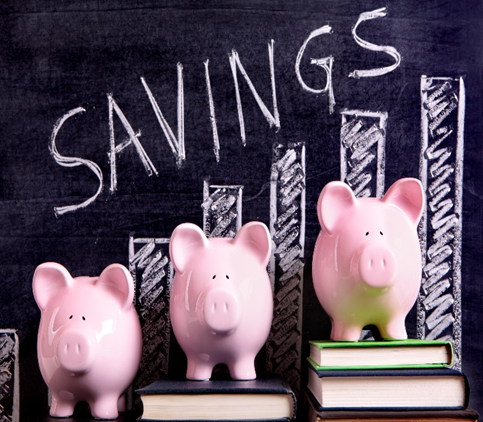
Saving protects you.
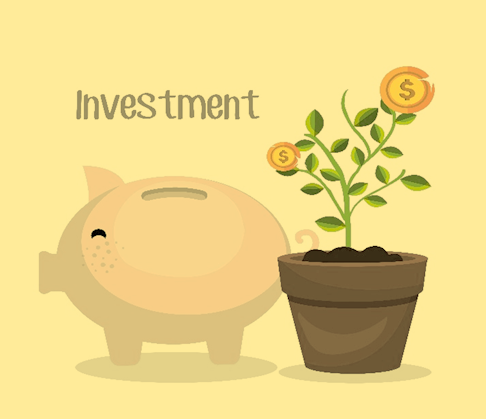
Investing grows you.
Both are important — just in the right order.
Smart Ways to Use a Tax Refund
Tax refunds are powerful because they feel like “extra” money — but they’re really your money being returned.
Here are smart ways to use it:
If You’re Behind:
- Catch up on rent, utilities, or car payments
- Pay down high-interest credit cards
- Resolve small collection accounts
If You’re Stable:
- Fully fund a starter emergency savings account
- Contribute to a Roth IRA
- Increase retirement contributions
- Open a brokerage account
If You’re Building Momentum:
- Split between debt, savings, and investing
- Start an automatic monthly investment
- Invest in skill-building or certification
Common Refund Mistakes to Avoid
- Lifestyle upgrades before stability
- Impulse large purchases
- Investing without emergency savings
- Using refund without a written plan, if you write your plan down, it becomes real and harder to go against.
Before spending, ask:
“Will this increase my net worth — or just feel good temporarily?”
It’s okay to enjoy a small portion — just lead with intention.
A Simple Decision Guide
Ask yourself:
- Am I current on essential bills?
- Do I have at least $500 saved?
- Is my high-interest debt under control?
- Do I have a long-term goal I’m funding?
Your answers will tell you whether to:
- Catch up
- Save
- Invest
- Or combine strategies
Final Thoughts: It’s Not Either/Or — It’s Order
Saving and investing aren’t competitors. They’re teammates. By trusting the process of saving, then investing you can reach your goals. Remember, it takes time, and the occasional setback is bound to happen. Do not let it overcome your progress, but use it to evaluate your financial situation and adapt to move forward.
Build stability first.
Then build growth.
Your tax refund can be a turning point — not just a temporary boost.
Next week, we’ll explore:
“Intro to Investing Without the Intimidation” — breaking down investment basics in plain language so you can move forward with confidence.